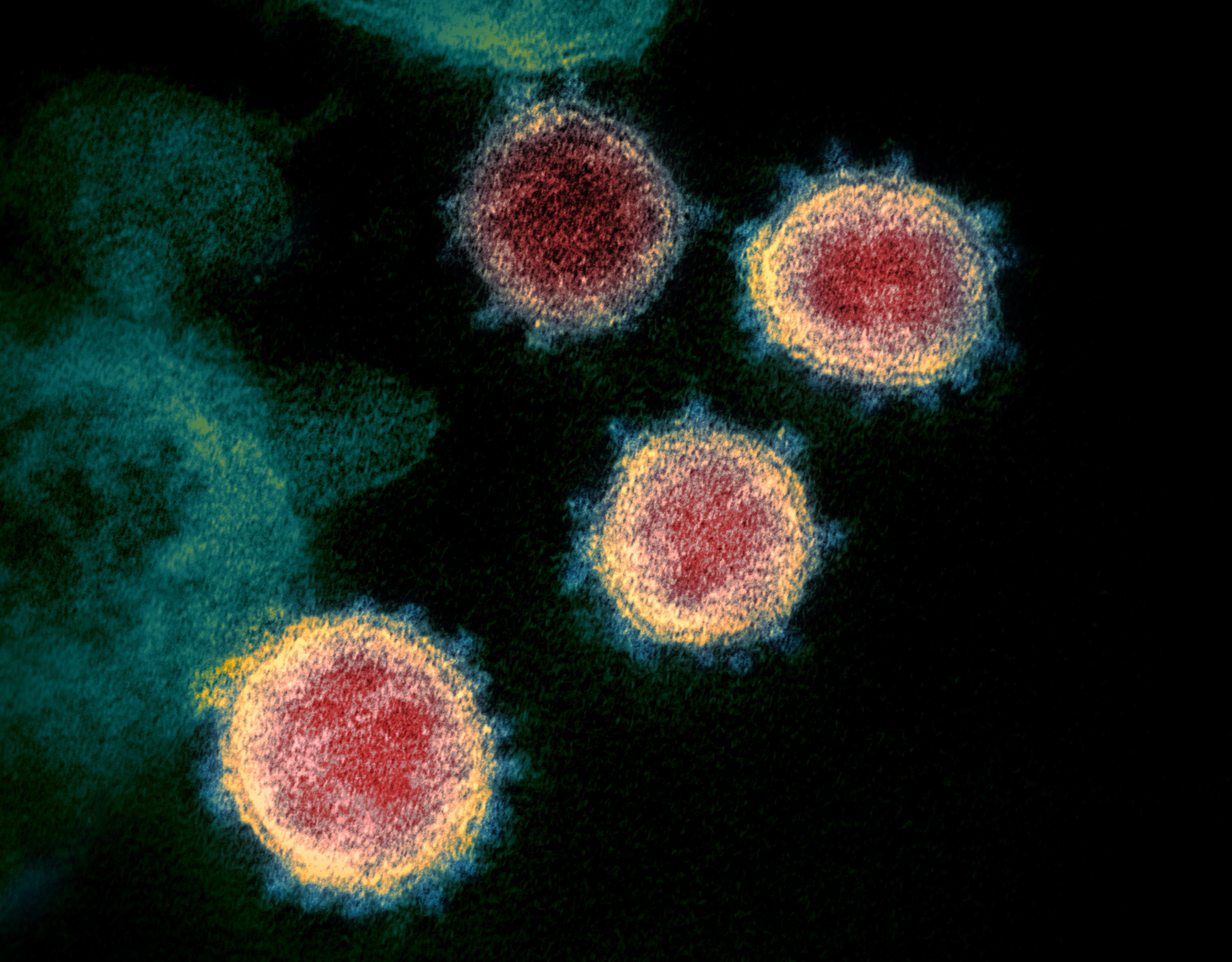
A wide variety of symptoms have been reported by individuals with COVID-19, ranging from minor symptoms to serious illness. People can start to see symptoms approximately 2-14 days after being exposed to the virus.
What are the symptoms of COVID-19?
- Muscle or body aches
- Sore throat
- Congestion or runny nose
- New loss of taste or smell
- Cough
- Nausea or vomiting
- Shortness of breath or difficulty breathing
- Headache
- Fever or chills
- Diarrhea
- Fatigue
How can I protect myself?
To protect yourself and others from being infected with COVID-19, you should periodically wash your hands thoroughly with soap to prevent the virus from staying on your hands. Additionally, you should always use a tissue if you need to cough and should avoid touching your face.
If you notice that you or a member of your household is coughing a lot or having multiple coughing episodes, you must self isolate for a minimum of 10 days and arrange to get tested for COVID-19.
If you have a temperature above 37.8°C (100.04°F), it is recommended that you also self isolate for ten days and arrange to get tested for COVID-19 as soon as possible.
All individuals in your household or support bubble should self isolate if you display symptoms.
What do I do if my test result comes back positive?
If you test positive for COVID-19, you must self isolate for a minimum of 10 days from when you first notice symptoms.
Members of your household should also isolate for 14 days if you test positive for COVID-19.
Pain can be treated with plenty of fluids and bed rest.
If you notice that your symptoms are getting worse, you should contact your countries local health services.
 The Panthera Post